

Introduction
Selling on Amazon has long been associated with purchasing and managing inventory, but there are alternative ways to tap into Amazon’s vast marketplace without investing in physical stock. Whether you’re just starting or looking to avoid the complexities of managing inventory, options like dropshipping, Kindle Direct Publishing, Merch by Amazon, and affiliate marketing allow you to generate income with little to no upfront costs. These methods offer flexibility and can serve as a gateway to building a profitable business on Amazon.
How To Make Money On Amazon Without Inventory- 4 Proven Methods

While selling on Amazon traditionally involves purchasing inventory, you can earn money on the platform in several ways without investing in upfront stock. These methods provide an alternative path to generate income through Amazon’s vast marketplace without the hassle of managing physical products. Below are four effective ways to sell on Amazon without holding inventory.
1. Dropshipping
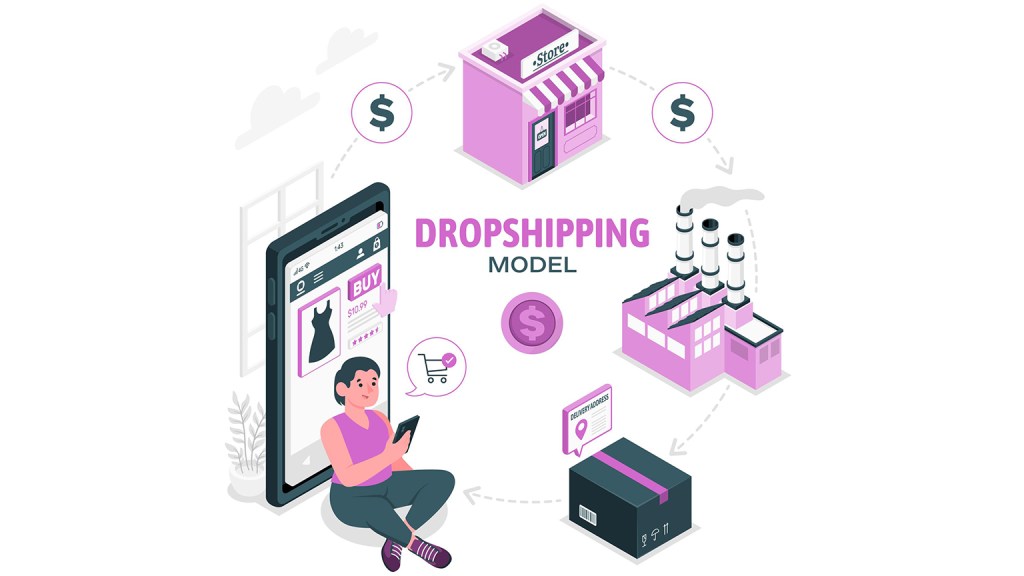
Dropshipping allows sellers to list products on Amazon without ever stocking them. In this model, when a customer orders a product, you purchase it from a supplier at a lower cost, and the supplier ships it directly to the customer. This saves you from managing logistics and inventory while still earning a profit.
Benefits of Dropshipping:
– Low initial investment.
– No need to handle shipping or storage.
– You can sell across multiple channels and even internationally.
Challenges of Dropshipping:
– Limited control over product quality.
– Dependent on suppliers for stock and fulfillment.
– Lower profit margins compared to private labeling.
Though dropshipping can be highly competitive, focusing on exceptional customer service can set you apart from other sellers.
2. Kindle Direct Publishing (KDP)

If you’re a writer or have creative content to share, Kindle Direct Publishing (KDP) offers a way to sell digital products on Amazon. This model lets you publish e-books, paperbacks, and audiobooks without physical inventory.
Pros of KDP:
– No inventory required.
– Potential to reach a global audience through Amazon’s Kindle store.
– Royalties on every sale of your book or content.
Challenges of KDP:
– You’ll need to invest time in writing and promoting your work.
– Competition can be high, but niche content or strong marketing can help your book stand out.
This method provides a great opportunity for authors to generate passive income and share their stories or expertise worldwide.
3. Merch by Amazon (Print on Demand)

Merch by Amazon, or print on demand (POD), allows sellers to create and sell custom-designed products without holding stock. Once you upload your design, Amazon prints it on apparel, accessories, or home goods only when an order is placed. The platform handles the production, shipping, and customer service, leaving you to focus on creating unique designs.
Pros of Merch by Amazon:
– No upfront investment is needed.
– Amazon handles printing and fulfillment.
– Direct access to Amazon’s customer base.
Cons of Merch by Amazon:
– Limited product categories.
– Require an invitation to join the program.
Merch on Demand can be a great option for graphic designers, artists, or creators who want to monetize their designs without dealing with inventory or logistics.
4. Amazon Associates Program (Affiliate Marketing)
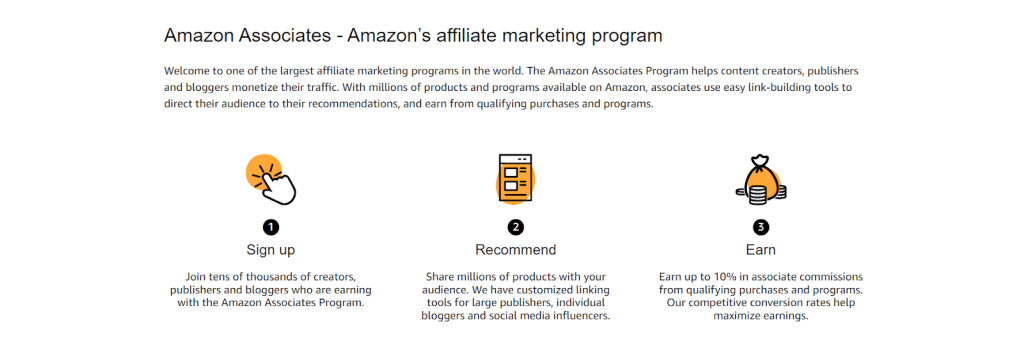
The Amazon Associates Program lets you earn commissions by promoting other brands’ products on Amazon. If you have a blog, YouTube channel, or large social media following, you can recommend products and include affiliate links. When someone purchases through your link, you earn a commission.
Advantages of Affiliate Marketing:
– No need to hold or manage inventory.
– Can be applied across various platforms like blogs, social media, or YouTube.
– A flexible way to monetize your content.
Challenges of Affiliate Marketing:
– Earnings depend on the volume of traffic and sales generated through your affiliate links.
This method works particularly well for content creators who regularly review or recommend products to their audience, allowing them to generate passive income.
Advantages Of Selling On Amazon Without Inventory

Selling on Amazon without the need to manage physical inventory offers several key advantages that appeal to entrepreneurs seeking to minimize risk and lower startup costs. Unlike traditional selling methods such as private labeling, wholesale, or retail arbitrage, these no-inventory models allow sellers to benefit from Amazon’s massive reach without the overhead of managing stock. Below are some of the primary benefits of selling on Amazon without inventory.
1. Low Startup Costs
One of the most significant benefits is the reduced startup costs. Since there’s no need to purchase inventory upfront, you can launch your business with minimal capital. This opens the door for new sellers to enter the Amazon marketplace without requiring large amounts of money for initial stock, making it accessible for entrepreneurs at any stage.
2. No Inventory Risk
Traditional sellers face the challenge of potentially being stuck with unsold products. When selling without inventory, however, you only order products or use services like print on demand after a sale is made. This eliminates the risk of overstocking or holding unsellable goods, significantly lowering the chances of financial loss.
3. No Storage Space Required
Managing physical stock requires storage space, which can be expensive, especially when using services like Fulfillment by Amazon (FBA). Without the need for inventory, you avoid storage fees and can allocate more of your budget to other aspects of your business, such as marketing or product development.
4. Flexibility in Product Offerings
A no-inventory model allows for greater flexibility when it comes to your product range. You can test a wide variety of products without worrying about upfront investments. This gives you the freedom to quickly pivot and adapt to changing market trends, consumer demands, or seasonal products, enhancing your ability to stay competitive.
5. Easier Scalability
Scaling a business that doesn’t involve managing physical stock is typically more straightforward. Without the logistical headaches of inventory management, you can focus on increasing sales and expanding your reach. This makes it easier to grow your business without the complications of sourcing, storing, and shipping products in bulk.
6. Global Reach
Selling on Amazon without inventory, especially through models like Kindle Direct Publishing (KDP) or Merch on Demand, allows you to tap into Amazon’s global customer base. You can list and sell your products in international marketplaces, giving you the opportunity to expand your business beyond local borders without the complexities of shipping or customs management.
7. Faster Time to Market
Without needing to manufacture or source products upfront, you can quickly launch new items on Amazon. This enables you to take advantage of market opportunities and trends almost instantly, giving you a competitive edge by being one of the first to offer a product.
8. Minimal Financial Risk
Perhaps the most attractive aspect of selling on Amazon without inventory is the reduced financial risk. By eliminating the need for upfront product purchases, storage costs, and the potential for unsold stock, entrepreneurs can experiment with Amazon’s selling models with minimal risk. This allows sellers to focus on growing their business while keeping their financial exposure low.
Conclusion
Amazon’s platform provides diverse opportunities for sellers, even for those who prefer not to manage physical inventory. You can choose a model that suits your skills and resources from dropshipping to digital publishing and affiliate marketing. Whether you’re looking to start small or diversify your income streams, these inventory-free methods make it possible to earn money on Amazon with ease. With the right approach, you can tap into Amazon’s global audience and grow your business without the traditional inventory challenges.