

Navigating Amazon’s competitive landscape requires a deep understanding of what drives shoppers from merely browsing to making a purchase. At U-commerce, we specialize in Amazon services designed to optimize your eCommerce business. Here’s a closer look at the key factors influencing Amazon shoppers to complete their purchases.
Who Shops on Amazon?
Amazon has become the go-to marketplace for millions of shoppers worldwide, but who is shopping on this platform? Understanding the demographics and behaviors of Amazon shoppers,
U-commerce can help tailor strategies to meet customer needs. Here’s a detailed look at the characteristics and habits of Amazon shoppers.
Discovering New Products and Brands
Amazon is not just a place to buy products; it’s also a discovery platform. Approximately 75% of shoppers use Amazon to explore new products or brands. This makes it a valuable space for introducing innovative products and gaining exposure to new brands.
Openness to New Products
Half of Amazon shoppers are open to buying new products. This willingness to experiment provides an excellent opportunity for businesses to introduce new offerings and expand their customer base.
Confidence in Return Policies
Amazon’s return policies play a significant role in buyer confidence. Shoppers feel secure knowing that they can easily return products if they don’t meet expectations. This assurance encourages more frequent purchases and reduces hesitation.
Monthly Spending Habits
Despite Amazon’s vast product selection, the average shopper spends less than $50 per month. This spending pattern suggests that while Amazon is a popular shopping destination, many purchases are for everyday items rather than high-ticket products.
Seeking the Best Deals
Amazon’s main audience consists of shoppers who are always on the lookout for the best deals. Competitive pricing and attractive discounts are key factors that draw buyers to the platform.
High Rate of Window Shopping
A significant 68% of shoppers on Amazon engage in window shopping. They browse products without immediate intent to buy, making it crucial for listings to be visually appealing and engaging to capture potential buyers’ attention.
Price Checking on Other Sites
About 72% of Amazon shoppers check prices on other sites before making a purchase. This behavior underscores the importance of competitive pricing and highlights the need for businesses to monitor and adjust their prices regularly.
Trust in Reviews
A large majority of shoppers—75%—either fully or somewhat trust reviews on Amazon. Positive reviews can significantly influence purchasing decisions, emphasizing the importance of maintaining a good reputation through excellent customer service and product quality.
High Buyer Intent
Visitors to Amazon often have a high buyer intent, driven by keyword research. Shoppers typically arrive on Amazon with a clear idea of what they want, making it essential for businesses to optimize their listings with relevant keywords to capture this intent.
Device Usage for Purchases
Amazon purchases are almost evenly split between desktop and mobile devices. This 50/50 distribution highlights the need for eCommerce businesses to ensure their product listings are optimized for both desktop and mobile viewing to provide a seamless shopping experience.
The Biggest Factors Buyers Consider When Making a Purchase on Amazon
Understanding what influences buyers on Amazon can significantly enhance your sales strategy. Here are the key factors that buyers consider when making a purchase:
1. Price – 41.1%
Price is the most critical factor for Amazon shoppers, with 41.1% prioritizing it in their purchasing decisions. Competitive pricing can make your product more attractive to potential buyers. Regularly monitor market trends and adjust your prices accordingly to stay competitive.
2. Number of Ratings and Reviews – 16.2%
The quantity and quality of ratings and reviews play a substantial role, influencing 16.2% of buyers. Positive reviews and high ratings build trust and credibility, encouraging more shoppers to choose your product. Actively encourage satisfied customers to leave reviews and promptly address any negative feedback to maintain a strong reputation.
3. Convincing Product Descriptions and Photos – 7.7%
Detailed product descriptions and high-quality photos are vital, impacting 7.7% of buyers. Clear, informative descriptions that highlight the benefits and features of your product, combined with professional images, help shoppers make informed decisions and reduce the likelihood of returns.
4. Convenience of Shopping (Prime Membership) – 22.7%
The convenience offered by Amazon Prime, including fast and free shipping, influences 22.7% of buyers. Products that are Prime-eligible are more likely to be purchased due to the added convenience. Enrolling in the Fulfillment by Amazon (FBA) program can help make your products Prime-eligible, boosting their appeal.
5. Prior Experience with the Product/Brand – 9.1%
Past experiences with a product or brand affect 9.1% of buyers. Repeat customers often base their purchasing decisions on previous positive experiences. Consistently delivering high-quality products and excellent customer service can foster loyalty and encourage repeat business.
Winning Shoppers on Amazon: A Strategic Guide to Beating the Competition
To succeed on Amazon, it’s crucial to understand the three stages of product disqualification and tailor your business strategy accordingly. Leveraging data on consumer behavior can help you outshine competitors and win over shoppers. Here’s a breakdown of how to optimize your approach.
STAGE 1 – Product Listing – Win the Search
When shoppers search for products on Amazon, their first impressions are crucial. Ensuring your product listing stands out is key to capturing their attention and avoiding disqualification. Here’s how to optimize each element of your product ad-

a) Main Image
Your main image is the first thing shoppers see, making it essential to create an eye-catching and professional appearance:
- High-Quality Photography: Use clear, high-resolution images.
- Image Fills the Square: Ensure the product fills the image frame.
- Transparent Background: Maintain a clean and professional look.
- Clear Text on Label and Packaging: Make sure all text is readable.
- No Additional Text Outside the Product: Avoid clutter and distractions.
b) Product Title
The product title needs to be clear, concise, and keyword-rich:
- Include High Search Volume Keywords Early: Position key terms at the beginning of the title.
- Correct Formatting: Ensure readability on both mobile and desktop.
- Split Testing: Regularly test different titles to find what works best.
c) Star Rating and Review Count
Shoppers trust reviews. Ensure your product has a high star rating and numerous reviews:
- Encourage Reviews: Ask satisfied customers to leave positive feedback.
- Address Negative Reviews: Show responsiveness and a commitment to customer satisfaction.
d) Price
While not always the lowest, your price should be competitive:
- Competitive Pricing: Regularly compare your prices with competitors.
- Value for Money: Highlight the quality and benefits to justify your pricing.
e) Shipping Speed
Fast shipping is a significant factor for buyers:
- Fulfillment by Amazon (FBA): Leverage FBA for quick 1-2 day shipping.
- Avoid Merchant Fulfillment (MFN): Unless you can match FBA’s speed, MFN is less attractive to buyers.
f) Coupons
Offering coupons can give you a slight edge:
- Coupons for Attention: Differentiate your product and attract deal-seekers.
- Higher Click-Through and Conversion Rates: Coupons can improve both metrics.
g) Seller Badges
Badges like “Best Seller” and “Amazon’s Choice” boost consumer confidence:
- Aim for Badges: Meeting the criteria for these badges can significantly increase sales.
- Badge Visibility: Highlight these badges in your product ad to draw attention.
Stage 2: Product Detail Page – Converting the Sale
After successfully winning the product ad selection in Stage 1, the focus shifts to Stage 2: converting that interest into a sale. The details on your product page must convince buyers of their need and desire for your product. Here’s how to optimize each element of your product detail page to maximize conversions:

Once the main product image has captured the buyer’s attention, the secondary image should:
- Explain Features and Benefits: Clearly highlight the unique features and advantages of your product.
- Showcase Superiority: Emphasize why your product is better than competitors, providing a compelling reason for purchase.
As buyers browse through the image gallery, ensure each image:
- Highlights Key Selling Points: Focus on the main benefits and differentiators from competing products.
- Combines Visuals with Information: Use images that not only look good but also provide informative content about the product’s benefits and solutions.
- Engages Quickly: With 70% of shoppers dropping off after the second image, make every image count by offering compelling reasons for purchase.
c) Bullet Points
Bullet points serve two crucial purposes: convincing buyers and improving keyword ranking.
- Highlight Keywords: Emphasize main selling points with relevant keywords that shoppers are likely to scan.
- Inform and Persuade: Use the rest of the text to detail the benefits and features, ensuring it is keyword-rich for better product ranking.
d) Products Related to This Item
Sponsored ads from competitors can divert traffic away from your page.
- Launch Own Campaigns: Create campaigns targeting your products to occupy this space and reduce the impact of competitor ads.
Overwhelming buyers with text can reduce conversion rates.
- Opt for Image-Rich Descriptions: Use visuals to highlight key selling points and showcase your brand effectively.
- Keep Text Concise: Make sure the text is clear, concise, and easy to read to avoid overwhelming potential buyers.
f) Videos for This Product
Videos significantly influence buyer decisions and reduce disqualification.
- Provide Live Visuals: Offer videos that give a live demonstration of your product in action.
- Utilize Influencers: Engage influencers to create comparison and unboxing videos, enhancing credibility and appeal.
g) Customer Questions and Answers
Building a robust FAQ section helps eliminate purchase doubts.
- Encourage Questions: Use your shopper account to post questions and answer them with your seller account.
- Show Social Proof: A high number of answered questions indicates product legitimacy and builds trust.
h) Reviews
Reviews are powerful tools for building social proof and trust.
- Maintain High Ratings: Aim for a rating above 4 stars to avoid disqualification by buyers.
- Increase Review Count: Encourage satisfied customers to leave positive reviews to enhance credibility.
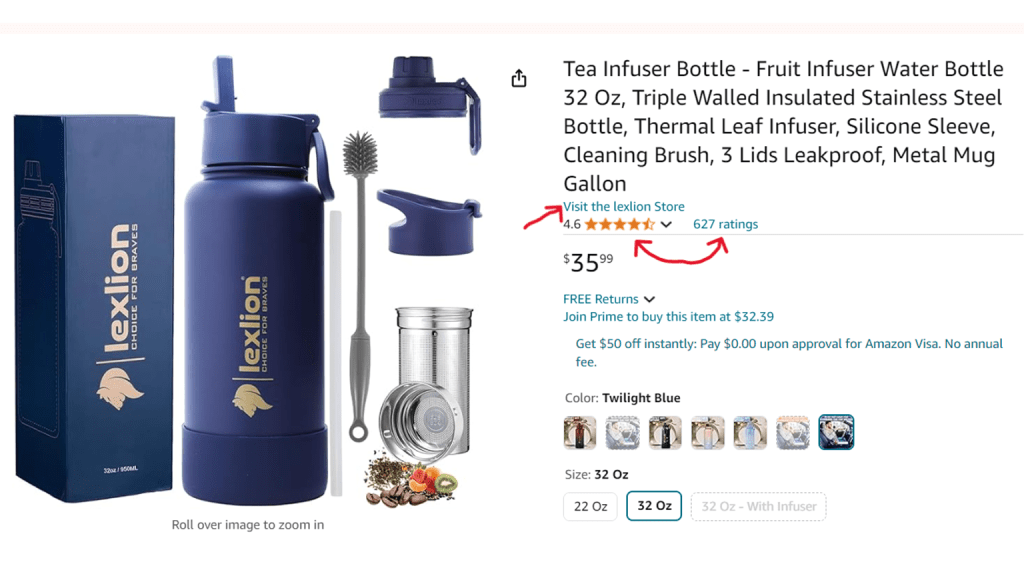
i) Visit the Store
Before making a final decision, buyers often check the brand’s store.
- Consistent Branding: Ensure the store name matches the product brand name to avoid confusion.
- Professional Storefront: Create an attractive and professional landing page to build buyer trust and enhance brand presentation.
Stage 3: Competitor Product Page – Securing the Conversion

Your product ad has successfully passed the initial buyer test in Stage 1 and captivated the buyer with an appealing product detail page in Stage 2. Now, the buyer is on the verge of making a purchase, but the final step involves the inevitable comparison with your competitors. To secure the conversion, ensuring that your product stands out even when buyers explore competing options is crucial.
Conclusion
Transforming Amazon shoppers from browsers to buyers involves a multifaceted approach. At u-commerce, we specialize in Amazon services that help your e-commerce businesses thrive. You can enhance your product listings and increase your conversion rates by focusing on product reviews, detailed descriptions, competitive pricing, Prime eligibility, exceptional customer service, keyword optimization, and strategic promotions. Contact us today to learn how we can help you succeed on Amazon.