
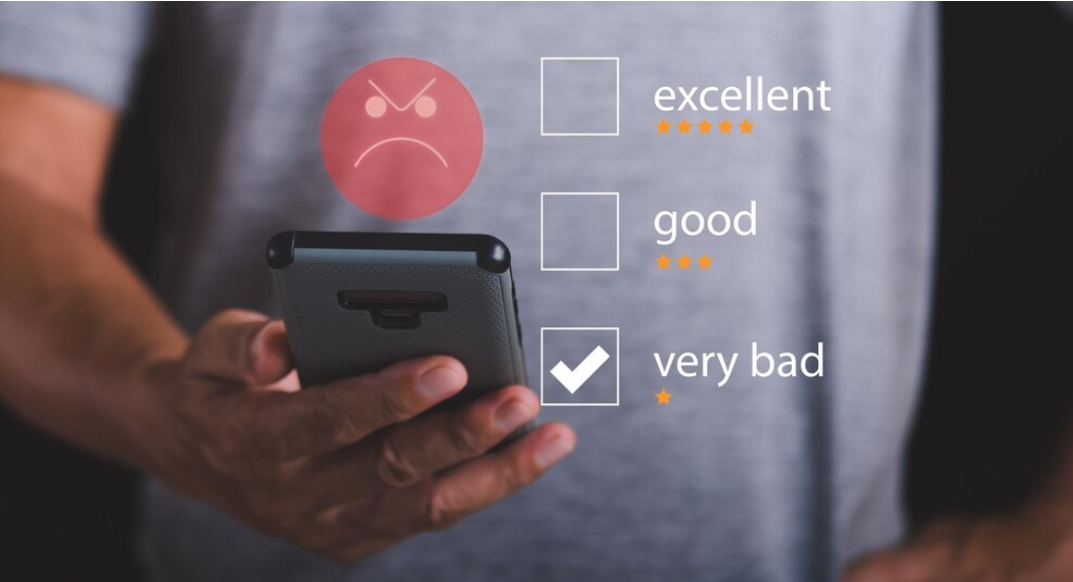
Usually, negative reviews are unpleasant & upsetting for private Amazon sellers or any seller. Customer reviews are a crucial part of the establishing procedure for starting your selling business.
Amazon is designed to make shoppers happy, so the products with the highest customer ratings are preferred more and have the upper hand in overall competitive selling. The conversions of such Amazon listings are higher too making it easily available for adding to a cart and buying them over other competitors.
In this article, we will talk about how we can convert negative Amazon reviews into an asset for the business.
Understand Your Customer

According to Amazon, Customer Reviews are for helping customers to learn more about the seller’s product to decide if the product is right for them or not. Customer reviews should help the other fellow shoppers to shop well, by giving genuine feedback regarding their purchase.
It’s interesting to observe that Amazon makes no mention of the seller in this definition. Instead, it highlights how crucial the needs and voice of the client are. That tactic has been successful, as seen by the astounding volume of purchases made on Amazon every day.
Despite being a vendor, you most likely shop online too. Before making a purchase, would you like to see reviews that have been altered to eliminate any negative feedback, or would you prefer to see the true benefits and drawbacks?
Amazon has been under investigation in recent years for illegal product review manipulation tactics by both vendors and the authorities. Black-hat vendors employ strategies like buying evaluations from consumers to post favorable comments on their listings or unfavorable reviews on those of their rivals. But Amazon has also taken legal action against organizations that employ these strategies, making it very evident that its primary objective remains to offer customers frank, truthful feedback.
And occasionally, sincere, unfavorable evaluations are left by actual customers. Therefore, despite how annoying it may be when a bad review appears on your listing, take a big breath and evaluate if the buyer may have a point.
Supplier Accountability
Reviews on Amazon might help hold providers responsible. Assume for the moment that you are selling jewelry that you import from India under your private label. You’ve noticed that customers have been making remarks like this lately:
“Cheap material – this was supposed to be silver, but it’s not.”
“The clasp broke a few days after I started wearing it.”
“Not bad for the price, but it’s not silver.”
You have a grudge against your source. Either a misunderstanding needs to be cleared up, or you’re being sold a false impression. In any case, it’s preferable to take care of it right away rather than having to fulfill and refund hundreds or thousands of orders. Put differently, it is possible to develop a more feasible long-term sourcing strategy by failing quickly.
More Astute Product and Marketing Selections
You’ll also find it easier to make more informed selections about products and marketing by keeping a careful eye on reviews for concerns about suppliers and changing client preferences.
To be honest, not every concept you have for a private-label product will become a best-seller. In a crowded market with better, more affordable options, some will struggle to draw customers, and some may simply not be what they want. A few unfavorable customer evaluations could be a warning sign that the product, at least in its current form, would have trouble finding product-market fit and succeeding in the marketplace.
Prioritizing your company endeavors will be easier if you are aware of this early on. Perhaps it’s time to work on version 2.0 of the product or concentrate on other better-performing items in your inventory rather than stockpiling more of the same one.
How to Use Unfavorable Reviews to Your Advantage
 That’s the theory, but how can you apply all these lessons that you’ve learned from your unfavorable reviews? Three steps are involved:
- Keep an eye on your Amazon listings to find out when a bad review has been left for you.
- As much as possible, a short-term settlement with each reviewer individually.
- Long-term agreement on your product, supplier, or business plan.
Let us discuss each of these in turn.
Keeping an eye out for unfavorable reviews
Go to Brands > Customer Reviews in Seller Central to check your most recent reviews if you have an Amazon Brand Registry. (You cannot be brand registered if you are unable to see Brands.) To find out whether any unfavorable reviews require your attention, you must, nevertheless, regularly monitor this reviews dashboard.
As an alternative, you can register for a software program that will track reviews and even notify you via email or text when a new review is received, regardless of whether you have a Brand Registry or not.
In the near run, especially, being aware of a new bad review as soon as possible improves your chances of using it to your benefit.
Short-term Fix: Getting in touch with the client
The customer review dashboard also gives brand-registered sellers the option to get in touch with customers who have left bad reviews by sending a pre-written letter that offers a refund or a replacement item.
Sending these templated offers is an excellent practice, even though you are not allowed by Amazon regulation to encourage a buyer to remove or alter a product review. Consider yourself the customer: you would be more inclined to update your review to reflect the good experience if you had submitted a poor review complaining that your item came damaged and you received an email offering to replace the thing for free within a few hours of your review.
Long-term Fix: Enhancing Your Listing or Product
It could be time to make more significant adjustments if you see trends in the criticism remarks. Here are a handful of instances:
Amazon listing optimization: Negative evaluations may occasionally stem from a badly designed product detail page. You may be able to mitigate future negative ratings by making a few minor changes to the information and graphics on your page to set more reasonable expectations. For instance, include a picture that more clearly illustrates the product’s dimensions if buyers frequently comment that the item is smaller than they anticipated.
Enhancing current products: Analyze the negative feedback you get and look for trends. Is there a way you could improve the product’s material or design to give your customers greater value? How many of the unfavorable evaluations would have been favorable if that were the case? A revised and enhanced version of your product is something to think about, particularly if it would enable you to outsell your rivals in terms of sales. (Just make sure you know if the modifications require a new ASIN, UPC, or GTIN.)
Finding ideas for new products: Customers may bring up a significant improvement they’d like to see in the product, a different issue they’d want to see resolved, or a complementary item they bought, which may inspire you to develop your line of offerings.
Control Your Unfavorable Amazon Reviews

Your Amazon store page will greatly benefit from positive evaluations. You can’t satisfy everyone all the time, so the odd poor rating is to be expected. However, you should keep an eye on your Amazon unfavorable reviews to see any worrying patterns.
If you want to prevent negative reviews, Amazon Account experts at U-COMMERCE can help you with optimizing your product listing, creating compelling graphics and proper account management. Contact us today.