

Six Steps To Build A Stronger Amazon Brand Identity
Developing a brand identity on Amazon poses a distinct set of difficulties, even for the most astute private-label expert. However, brand identity is more important than ever. Selling a higher-margin repeat sale is the last thing a seller wants to happen after investing in advertising, coupons, better product development, or incentives to bring in a new client.
Learn six effective strategies to transform your Amazon brand identification from mediocre to outstanding by continuing to read.

Six Strategies for Strengthening Your Amazon Brand Identity
These are six excellent strategies for strengthening your company’s Amazon brand identification.
1) Begin with these Fundamentals of Brand Building
To try and make quick cash, new Amazon private-label vendors are frequently tempted to introduce generic products.
This is not a smart concept. Rather, you should focus on building a brand that will complement your products. Thus, you must:
- Register a trademark for your company with the USPTO. Maintaining a brand’s integrity both on and off Amazon requires this.
- Sign up for the Amazon Brand Registry. You should register your brand with the Amazon Brand Registry using your recently approved official trademark (or a provisional trademark). This enables you to build a storefront (more on that later), manage product detail pages with A+ content, and submit complaints against rivals who copy your products.
- Create a distinctive logo. This mark guarantees that the product is not generic to Amazon, its customers, and other vendors. Additionally, it becomes more challenging for rivals to put phony offers on the details page of your ad. The logo must be included on the product’s packaging as well as the actual product.
- Create a brand manual. The company’s favored typefaces, colors, logo treatments, graphic styles, and other elements are all included in the Amazon brand guide. Establishing this from the start will guarantee a consistent appearance that customers will start to identify and pursue.
2) Make Your Amazon Listings Better
Better conversion rates and more hits are generated by an eye-catching, well-optimized Amazon listing detail page. It is that easy.
This entails devoting the necessary time and energy to guarantee the page has:
- Useful and focused keywords in the description, bullet points, and title. All of these will improve your position in pertinent consumer searches.
- Excellent product images that occupy all seven of the page’s picture slots. These ought to feature infographics and lifestyle photos that enlighten viewers to the point that they feel confident clicking “Buy Now.”
- Clearly stated qualities and benefits of the product are presented in the description with bullet points.
- To provide a more complete and aesthetically pleasing Amazon product listing that also promotes the brand as a whole, use A+ content, commonly referred to as enhanced brand content.
3) Don’t “Phone it in” on Product Packaging
A lot of sellers on Amazon concentrate just on the listing detail pages. Even if they take the time to craft well-written material and add stunning photographs, when the buyer receives their actual products, they appear utterly generic.
It’s also important for sellers to keep in mind that they may eventually want to expand their Amazon-only brands into physical stores. However, this won’t be feasible unless their packaging is complete and appealing. It will cost more money and effort to create appealing, reasonably priced packaging for Amazon that complements the product detail page and reinforces the brand image.

4) Design a Beautiful Amazon Storefront that Shows Off Your Branding
Amazon allows merchants to design a strongly branded “storefront” that facilitates customers viewing their whole product inventory. Top products are listed here, and ASINs can be sorted by category. Additionally, it gives brand owners the opportunity to prominently display their logos, other symbols, and brand graphics that support their distinctive branding for consumers.
You are strongly advised to utilize the Amazon storefront feature to its fullest. Be careful to follow your brand book, which is built out in step one of the brand-building process. This demonstrates to customers that the products are offered by a business that genuinely cares about its reputation, rather than merely being sold by any old reseller.
5) Use Stunning Brand Videos to Get Up and Moving
The listing detail pages of ASINs with high-quality videos are given preference by Amazon’s search algorithm.
When creating videos, make sure you’re referring to your brand book. Add extra messaging, the logo, colors, and tagline for the brand. Present your product to potential customers and assist them in visualizing how they might use or appreciate it.
6) Make an Advanced Amazon Advertising and Promotional Investment
While Amazon’s initiatives are not cheap, they do a remarkable job of solving many issues for up-and-coming firms.
PPC, or pay-per-click, advertising. PPC advertisements are essential for new brands and product launches. Set aside a large sum of money, and keep testing keywords to make sure they’re both relevant and economical.
Vine Amazon. Lacking product reviews? Use the Amazon Vine program to obtain genuine evaluations. If you want to automate your Amazon reviews in bulk.
Take Action Now to Build a More Powerful Amazon Brand Identity
Building your Amazon brand identity requires organization, preparation, and an upfront financial commitment, much like most things in life.
Your company will gain a lot from having a stronger brand presence, such as a bigger competitive advantage, increased market and category leadership, and an increase in long-term recurring business and sales. Get in touch with U-commerce if you need assistance revitalizing and revitalizing your brand or if you’re beginning from scratch. Our group of Amazon consulting experts is prepared to assist!

Use of FBA Returnless Resolutions: Is It Advisable?
For e-commerce businesses, returns can be named as the worst part of the job. It can be labor-intensive, unavoidable, and costly. Customers hate dealing with the return hassles, whereas business owners hate to pay extra shipping costs on top of losing the initial sales to the customer.
Amazon recently started its quest to make online shopping seamless and pain-free. It has introduced a perfect solution for FBA Returns, namely, returnless resolutions. These returnless resolutions are a great tool for minimizing all the difficulties of return, or a way of taking more advantage of a seller.
Here is everything you need to know about FBA Reimbursement Returnless Resolutions, and then decide for yourself.
What are FBA Returnless Resolutions?

A returnless resolution happens when a buyer initiates a return, but the seller opts to let them keep the item and get a refund without getting the product back to the seller. This idea is introduced to the customers so they don’t have to deal with all the hassles of shipping the item back, and also for the seller, so they don’t have to pay for return shipping.
How FBA Returnless Resolutions Work?
Usually, for most FBA Returns, customers are expected to return the item to get a refund for the same. Returnless Resolutions allows an option to opt out of that process for your qualifying products.
If the seller chooses to be a participant, then Amazon will let the customer know that they can keep the item and still get a refund for the return.
The following are a few facts about how returnless resolutions work:
- It’s an opt-in-only facility. If sellers don’t want to participate, then they can still require returns for all the refunds as per their products.
- Only a few products are eligible. As per Amazon guidelines, the returnless resolutions are only allowed for some products. It is not available for category such as dangerous goods, gift cards, heavy and bulk items, or items which has sale prices of over $75.
- The seller can choose the criteria. If you are participating in the returnless resolutions, then it is not necessary to keep all or nothing in one go. You can simply decide which products qualify for the returnless resolutions by SKU or other criteria like item value or reason for product return.
- No additional fees to pay. Participation in FBA Returnless Resolution does not cost you any additional fees.
Benefits of Enrolling in Returnless Resolutions

After learning the fundamentals of the program, you might be asking yourself the age-old query, “What’s in it for me?” For a few primary reasons, sellers may wish to sign up for returnless resolutions for some or all of their products:
- Save the shipping costs. If sellers are enrolled under returnless resolutions, then the shipping costs of returns are cut off for them.
- It improves customer satisfaction and experience. Returns are the biggest hassle for the customers. Especially when a return is due to a problem with the product, and waiting for the refunds makes it more difficult. With returnless resolutions, customers can get easy refunds without the extra work of returning the product.
- Reduces the negative impact. Usually, a difficult return process can end up having multiple negative reviews on your Amazon product listing. But easy access to a refund could stop the negative reviews to an extent, and you may end up earning a positive review.
- It limits the abusive opportunities. With the returnless resolutions, Amazon limits which customers get the option based on their history, and the ones showcasing abusive signs will be eliminated from getting a refund, so no customer can take advantage of the Amazon seller.
Concerns Regarding Returnless Resolutions
Although there are genuine advantages, sellers should exercise caution when considering joining the program. A few things to consider are:
- Easy Refunds can become a common thing. The return procedure of a product provides friction, which lets customers take time and think about returning a product wisely. But if they have an option of an easy refund, then they won’t even take a second look to understand and know about the product.
- A little potential for customer abuse is still there. Though Amazon limits the opportunity to abuse when sellers enroll under Returnless Revolution, it does not completely ward off the chances of customer abuse.
- Loss of Resale opportunity. A product that is returned to the seller has the potential to be resold, but with the returnless revolution, the product is to be kept with the customer, which makes the seller lose the resale opportunity.
- Returnless Refunds will still be counted in several returns. Though it is a returnless refund opportunity for the customer by keeping the product with themselves, that refund will still be counted as a returned product while calculating the ASIN’s return rate.
How to Enable the Returnless Resolutions
If you’ve considered the benefits and drawbacks and are prepared to enroll, follow these steps:
- Navigate to the FBA returns evaluations & ownership settings option on the Fulfillment by Amazon settings page. Look for Returnless Resolutions and select Edit.
- Simply choose Enable returnless resolutions for all ASINs and click Update if you want to enroll all of your ASINs in the program. You’re done now!
- Select Enable returnless resolutions for certain ASINs if you wish to limit the application of this feature to specific items.
- After that, click Update after uploading a file containing every ASIN you wish the application to include.
Reduce the Anguish of FBA Returns

For some Amazon FBA sellers, returnless resolutions won’t seem like a reasonable choice. However, if you’d prefer to avoid the expense and inconvenience of handling returns, it might be worthwhile for you.
However, lowering your return rate is the best approach for all sellers to spare themselves the agony of returns. Although it is impossible to prevent returns, you may significantly reduce the amount by making every effort to provide accurate listings, excellent items, and strong customer service.

How to Avoid Losing the Buy Box on Amazon
For many Amazon sellers, the Buy Box is more than just a small section on the product page. it’s the gateway to driving higher sales and growing their business. The Buy Box is where the majority of purchases on Amazon take place, yet most customers don’t even realize its importance. It’s that prime section on each product page containing the “Add to Cart” and “Buy Now” buttons, and when multiple sellers offer the same product, the one who controls the Buy Box usually secures the sale.
Amazon’s Buy Box algorithm constantly evaluates which seller provides the best mix of price, customer service, and reliability. If you’re not regularly winning the Buy Box, you’re likely missing out on significant revenue opportunities. Understanding how the Buy Box works and how to optimize your chances of winning is critical for any Amazon seller looking to stay competitive.
What is the Buy Box and Why Is It Important?

The Buy Box is the section on an Amazon product page that allows customers to quickly purchase an item. Amazon doesn’t list many products with multiple sellers upfront. Instead, the Buy Box gives one seller prominence over others.
Winning the Buy Box gives you a substantial advantage because over 80% of Amazon sales are made through it. Customers don’t want to scroll through alternative sellers; they click the Buy Box and complete their purchase.
Amazon’s algorithm selects a seller for the Buy Box based on several criteria, and understanding these factors is essential for maintaining and increasing your sales.
Common Reasons Sellers Lose the Buy Box

Amazon uses a sophisticated algorithm to determine who wins the Buy Box for a given product. While the exact workings of this algorithm are proprietary, several factors significantly impact your chances of winning and keeping it. Here are the top reasons you might be losing the Buy Box and how to fix them:
1. You’re Not Using Amazon FBA
Fulfillment by Amazon (FBA) is one of the most important factors in winning the Buy Box. Why? Amazon gives preference to sellers who use its fulfillment services. This ensures customers receive fast, reliable shipping that aligns with Amazon Prime standards.
Even if your fulfillment process is top-notch, FBA offers a competitive edge. Products fulfilled by Amazon often rank higher in Buy Box eligibility because they meet the high shipping standards that Amazon customers expect.
Tip: Consider switching to FBA for products where you’re competing for the Buy Box. The slight increase in fees may be worth the uptick in sales and customer satisfaction.
2. Your Price Isn’t Competitive
Price is a critical factor in Amazon’s Buy Box algorithm. Customers want the best deal, and Amazon is more likely to award the Buy Box to sellers who price their products competitively. However, simply undercutting competitors isn’t always the best strategy you need to balance pricing with profitability.
Tip: Monitor competitor pricing and adjust your prices accordingly. Tools like repricers can help automate this process, ensuring you remain competitive without constantly changing prices manually.
Warning: Be careful of a price war! While having a lower price helps, drastically cutting your prices can hurt profitability and create unsustainable competition.
3. Poor Seller Performance Metrics
Amazon cares deeply about the customer experience, so sellers who consistently deliver high-quality service have a better chance of winning the Buy Box. Amazon tracks several key seller performance metrics, including:
- Order defect rate (ODR) – Includes customer complaints, refunds, and returns.
- Late shipment rate – Amazon monitors how reliably you fulfill orders on time.
- Customer feedback – Positive reviews and ratings increase your chances of winning the Buy Box.
- Response time – How quickly you respond to customer inquiries or issues.
If your seller metrics are below Amazon’s standards, it will hurt your chances of winning the Buy Box.
Tip: Regularly monitor your Amazon Seller Central account to keep track of these metrics. Respond promptly to negative feedback, resolve any shipment issues, and maintain excellent customer service to stay competitive.
4. Your Inventory Levels are Inconsistent
Amazon favors sellers who consistently have stock available. If your products frequently go out of stock or if you have a low inventory, it can hurt your Buy Box eligibility. Amazon wants to ensure customers receive their products quickly, and a seller with a strong history of inventory reliability is more likely to win the Buy Box.
Tip: Implement a reliable inventory management system to prevent stockouts and maintain a healthy level of inventory at all times. Running out of stock can not only lose you the Buy Box but also hurt your product rankings in the long run.
5. Suppressed Buy Box Due to High Pricing
Sometimes, Amazon will suppress the Buy Box entirely for a product if it determines that the prices offered are not competitive with other e-commerce websites. This often happens when the price of your product is significantly higher than what’s available from other online retailers.
When the Buy Box is suppressed, customers will need to manually scroll through sellers to select one, which drastically reduces the likelihood of them purchasing from you.
Tip: Keep a close eye on how your pricing compares to competitors both on and off Amazon. If you notice a suppressed Buy Box, consider adjusting your price to remain competitive.
How to Improve Your Chances of Winning the Buy Box

Now that you know the common reasons for losing the Buy Box, here are some actionable strategies to improve your chances of securing it:
1. Use FBA for Fast, Reliable Shipping
If you’re not already using FBA, it’s time to consider switching. With FBA, Amazon handles all your logistics, ensuring fast shipping, seamless returns, and happier customers. This gives you a significant edge in Buy Box eligibility.
2. Price Competitively, but Smartly
Use pricing tools to monitor competitors and adjust your prices accordingly without going too low. Consider automating price changes with repricers to stay competitive while preserving your margins.
3. Improve Seller Metrics
Focus on delivering excellent customer service. Ship products on time, handle returns smoothly, and respond to customer inquiries quickly. Positive feedback and a low order defect rate will help improve your Buy Box chances.
4. Keep Your Inventory Stocked
Inventory management is crucial for winning the Buy Box. Ensure you always have enough stock, especially for high-demand items. Use tools to track your inventory and get alerts when stock is low.
5. Regularly Check for Suppressed Buy Boxes
Monitor your listings for any signs of a suppressed Buy Box due to high pricing. If your prices are flagged as too high compared to competitors, adjust them to win back the Buy Box.
Automating Buy Box Monitoring with SellerPulse

Staying on top of your Buy Box status manually can feel like a never-ending task, especially if you manage a large catalog. That’s where tools like SellerPulse come in. SellerPulse tracks your Buy Box status in real time and sends alerts whenever you lose the Buy Box, enabling you to take action before it hurts your sales.
Here’s how SellerPulse can help:
- Buy Box Alerts: Instantly know when you lose the Buy Box, who you’re competing against, and the pricing changes that caused the loss.
- Competitor Tracking: See which sellers are taking over the Buy Box and analyze their offers, ratings, and prices.
- Suppressed Buy Box Notifications: Find out if and why your Buy Box was suppressed and what steps to take to fix the issue.
Conclusion: Take Control of the Buy Box
Winning and keeping the Buy Box requires a combination of smart pricing, excellent customer service, and diligent inventory management. By staying competitive on price, optimizing your seller metrics, and ensuring reliable fulfillment, you’ll significantly improve your chances of controlling the Buy Box for your products.
With the right strategy and tools like SellerPulse to help you stay on top of it, you can keep your sales flowing and ensure that your Amazon business continues to grow.
Start Tracking Your Buy Box Performance with SellerPulse Today!

How to Sell on Amazon Japan: Getting Started
Amazon Japan offers an incredible opportunity for e-commerce businesses aiming to expand into the thriving Asia-Pacific market. With Japan being one of the world’s largest economies, reaching millions of active online shoppers via Amazon Japan can substantially boost brand visibility and sales. However, like any new marketplace, Amazon Japan presents certain roadblocks and cultural nuances that must be navigated for success. Here’s how you can take full advantage of this growing platform and establish your presence in Japan’s competitive e-commerce landscape.

Amazon Japan dominates the Asia-Pacific e-commerce market, attracting millions of visitors every month. With Japan’s economy ranked third globally by GDP, the country represents significant buying power. Japanese consumers are known for their loyalty, valuing brands that offer quality, reliability, and innovation. By expanding to Amazon Japan, international sellers not only broaden their reach but also tap into a well-established market where online consumerism continues to rise, e-commerce grew by nearly 7% in Japan in 2022 alone.
Leveraging Existing Amazon Accounts

One of the best aspects of selling on Amazon Japan is the streamlined setup for international sellers. If you’re already on Amazon’s U.S. or European marketplaces, you can link your existing account to Amazon Japan for an easier transition. This unified platform allows for efficient management of multiple global marketplaces under one account, simplifying operations.
Addressing Language Barriers and Localization

Language localization is critical to the success of Amazon Japan. While Amazon offers translation tools and external services are available, it’s essential to ensure all listings are not only translated but culturally adapted to resonate with Japanese consumers. Even though a substantial number of Japanese individuals understand English, poorly translated content can deter potential buyers. An accurate, localized approach ensures that product descriptions, keywords, and customer communications align with Japanese language norms, which in turn enhances discoverability and customer trust.
For customer service, Amazon Japan provides support in various languages, including Japanese. Sellers using Fulfillment by Amazon (FBA) can rely on Amazon to handle customer service, which is especially helpful for those who lack in-house Japanese support.
Key Advantages of Selling on Amazon Japan
1. Higher Buying Power
Japan’s affluent economy means consumers have substantial purchasing power, and many are willing to invest in international products. This is especially true for innovative and high-quality items that may be hard to find locally.
2. Consumer Loyalty
Japanese customers are known for their brand loyalty, especially the older generation. Younger shoppers, meanwhile, enjoy exploring new, cutting-edge products, making Japan a promising market for diverse product categories.
3. High E-Commerce Adoption
Japan’s e-commerce market is continuously growing, with more consumers shopping online each year. Japanese shoppers value convenience and fast delivery, so leveraging Amazon’s robust fulfillment infrastructure can be a major advantage.
Navigating Tax and Regulatory Challenges
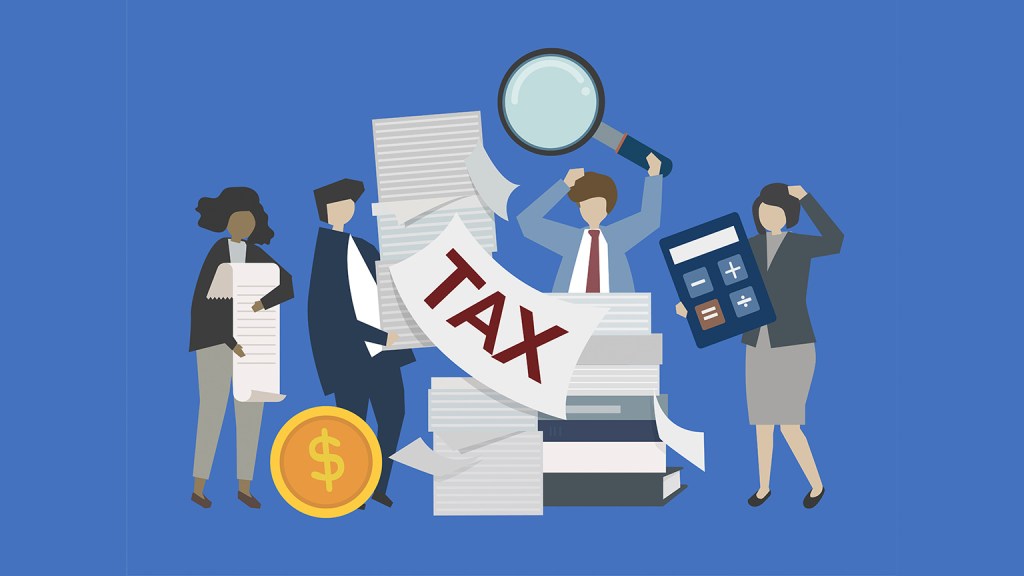
As in many countries, Japan has specific tax and regulatory requirements for importing and selling goods. Japan’s import tax is generally low, with a duty rate averaging around 4.3% for most items, though specific categories like agricultural products may have higher rates. Imported goods are also subject to a consumption tax between 8-10%, which varies based on the item.
As of October 2023, all businesses must submit invoices detailing tax payments. For sellers new to Japanese tax laws, Amazon’s Solution Provider Network offers access to certified Japanese tax professionals, many of whom offer discounted rates for Amazon sellers.
Marketing and Compliance Standards
Understanding Japan’s advertising and marketing laws is essential to avoid regulatory issues. Japanese law prohibits certain types of marketing tactics that are permissible in other countries. Under the Act Against Unjustifiable Premiums and Misleading Representations (AUPMR), any deceptive or exaggerated advertising is strictly forbidden. Product labeling must be clear and accurate to avoid misleading consumers about quality or performance.
In addition to marketing compliance, product safety standards in Japan can vary by category. Japan’s specific certifications, such as the Japanese Industrial Standards (JIS), apply to certain products including electronics, automotive parts, and some industrial items. For sellers of agricultural and food products, additional regulations apply, which are managed by Japan’s Ministry of Agriculture, Forestry, and Fisheries (MAFF).
Fulfillment Options: FBA vs. Third-Party Services

Amazon’s FBA program simplifies logistics by handling warehousing, packaging, shipping, and returns. FBA can be a valuable asset for businesses lacking a physical presence in Japan, as it provides dependable, fast shipping that meets Japanese customers’ high standards. Alternatively, sellers may choose to manage fulfillment independently, as Japan has reliable third-party services for warehousing and shipping.
Key Steps to Selling on Amazon Japan
1. Account Setup
Use Amazon’s single-sign-in feature to link your existing accounts to Amazon Japan, allowing you to manage multiple marketplaces from one login.
2. Product Compliance
Review Amazon Japan’s product restrictions and ensure your items comply with local laws and any necessary certifications. Be mindful of restricted categories, as some U.S.-approved products, such as certain medications and alcohol, may be prohibited on Amazon Japan.
Ensure your listings are localized with accurate translations, culturally relevant keywords, and appropriate categories. Using Amazon Japan’s keyword research tools can help align your listings with local search behavior.
4. Fulfillment Strategy
Choose a fulfillment method that aligns with your business model. For most brands, FBA is ideal for faster delivery, while other options may suit sellers with a specific logistics approach.
5. Manage and Grow
Use Amazon’s Seller Central tools to monitor sales, review currency conversions, and create promotions. Amazon Japan also offers advertising options like Sponsored Products and Lightning Deals to boost visibility and sales.
Conclusion
Expanding to Amazon Japan offers significant benefits, from tapping into an affluent customer base to leveraging one of the most advanced e-commerce markets globally. While there are some unique roadblocks such as language localization, tax compliance, and adherence to Japanese marketing regulations, Amazon’s resources and strategic approach can help businesses thrive in this promising marketplace.
Whether using Amazon FBA or a customized fulfillment option, international sellers have a unique opportunity to grow their presence in the Asia-Pacific region through Amazon Japan, making it an essential move for any global e-commerce brand.

How To Optimize Your Amazon Listing For Voice Shopping
Introduction
Imagine walking into your home, speaking a simple command, and instantly, your groceries are ordered, your favorite products are on their way, and you haven’t even lifted a finger. This is the current reality of voice commerce. With digital voice assistants projected to reach 8.4 billion by 2024 and global voice commerce sales anticipated to hit $164 billion by 2025, online shopping is undergoing a significant transformation.
For Amazon sellers, adapting to this shift is essential. Optimizing your product listings for voice search is no longer optional, it’s a critical strategy. In this guide, we will explore the importance of voice search, guide on preparing your listings, and outline best practices to stay ahead in this evolving market.
The Evolution of Voice Shopping

Voice shopping has transitioned from a mere trend to a new standard. Smart speakers have integrated seamlessly into our lives, fundamentally altering how we interact with technology and shop online. These devices are now routine tools for managing daily tasks, including shopping.
Voice commerce appeals to a wide demographic. While younger, tech-savvy users were the early adopters, older generations are increasingly appreciating the convenience and simplicity of voice commands. This broad appeal underscores the necessity of optimizing for voice search to reach a diverse customer base and remain competitive.
Why Voice Search Optimization is a Game-Changer
Voice search optimization is crucial for businesses looking to thrive in the digital marketplace. Here’s why:
1. Enhanced User Engagement
Voice search lowers the barriers to online shopping, making it more accessible for users who may find traditional text-based searches challenging. This inclusivity boosts customer engagement and satisfaction, leading to increased brand loyalty and repeat purchases.
2. Increased Visibility
As more consumers use voice assistants for shopping, optimizing Amazon listings ensures your products are prominently featured in search results. Improved visibility in voice searches can lead to higher conversion rates compared to traditional search methods.
3. Effortless Mobile Integration
With the rise in mobile internet usage, voice search is a vital tool for consumers on the move. Optimizing for voice search aligns with the growing demand for mobile-first experiences, making your products more accessible wherever consumers are.
Key Strategies for Voice Search Optimization on Amazon

To effectively optimize your Amazon listings for voice search, consider these strategies:
1. Use Natural Language and Conversational Keywords
Voice searches differ from traditional text searches—they tend to be longer, more conversational, and framed as questions.
- Leverage Long-Tail Keywords: Use phrases that reflect natural speech. For instance, instead of “wireless earphones,” try “What are the best wireless earphones for running?”
- Craft Structured Titles and Descriptions: Your product titles and descriptions should anticipate and address the questions customers might ask. This makes it easier for voice assistants to identify and recommend your products.
2. Address Common Customer Inquiries
Consider the frequent questions customers ask and ensure your listings provide clear, concise answers.
- Detailed Descriptions: Offer comprehensive information about product features, benefits, and usage. This improves your voice search ranking and enhances the customer experience
3. Aim for Amazon’s Choice and Bestseller Badges
Products with Amazon’s Choice or Bestseller Badges are more likely to be recommended by Alexa in voice searches due to their popularity and quality.
- Boost Your Chances: Achieve these badges by maintaining high product ratings, competitive pricing, and prompt shipping. These factors enhance your product’s visibility in voice searches.
4. Optimize Your Backend for Voice Search
Backend optimization is crucial in addition to visible content.
- Metadata and Backend Keywords: Conduct in-depth keyword research to ensure your backend keywords and product metadata align with voice search queries. Accurate metadata helps match your products with the intent behind voice searches, improving your chances of being featured.
5. Encourage Positive Reviews
In voice commerce, reviews play a critical role in visibility.
- Quality Over Quantity: Motivate satisfied customers to leave detailed, positive reviews. High-quality reviews influence purchasing decisions and improve your ranking in voice search results.
Conclusion
The rise of voice commerce is transforming e-commerce, and Amazon sellers must adapt to stay ahead. By optimizing your listings for voice search, you will not only increase your product’s visibility but also enhance customer engagement, driving stronger sales and brand loyalty.
Implement these strategies to place your brand at the forefront of the voice commerce revolution, ensuring your products are not just part of the conversation but leading it. Start optimizing today to secure your place in the future of shopping.
FAQs
Q: Why is voice search optimization crucial for Amazon sellers?
A: Voice search optimization improves your product’s visibility in voice-driven searches, boosts user engagement, and provides a seamless shopping experience that resonates with modern consumers.
Q: How do long-tail keywords benefit voice search optimization?
A: Long-tail keywords match the conversational style of voice searches, making it more likely for your products to appear in voice search results.
Q: Do positive reviews impact voice search rankings?
A: Yes. Positive reviews can significantly affect voice search algorithms, making your product more likely to be recommended by voice assistants.
Q: What’s the advantage of having Amazon’s Choice or Bestseller badges for voice search?
A: Products with these badges are prioritized in Alexa’s voice search recommendations, increasing visibility and trust among potential buyers.
Q: How can I optimize my backend for voice search?
A: Focus on thorough keyword research and ensure your metadata, including backend keywords and attributes, accurately reflect your product to match user intents in voice searches.

How To Effectively Track B2b and B2c Sales On Amazon
In today’s competitive landscape, tracking sales on Amazon is essential for sellers looking to maximize their reach and profitability. Whether you cater to businesses (B2B) or individual consumers (B2C), understanding the distribution of your sales is key to refining your marketing strategies and improving overall business performance. This comprehensive guide will delve into effective methods for tracking and analyzing your B2B and B2C sales, helping you to leverage insights for optimal results.
Why Tracking B2B and B2C Sales Matters
Tailored Marketing Strategies
Identifying the primary drivers of your revenue businesses or individual consumers—enables you to create targeted marketing campaigns. For instance, B2B customers may respond well to bulk purchase discounts, while B2C customers often appreciate seasonal promotions, personalized recommendations, and engaging product reviews. Tailoring your messaging and offers to meet the specific needs of each segment can significantly enhance your marketing effectiveness.
Enhanced Business Performance
Comprehensive data on your B2B and B2C sales allows for informed decision-making regarding inventory management, pricing strategies, and promotional efforts. For example, if you notice a growing trend in your B2B sales, it might be advantageous to introduce more bulk purchasing options or develop exclusive deals for business clients. Conversely, if your B2C sales are on the rise, consider increasing your stock of individual units or improving product listings to attract everyday shoppers.
Refined Customer Segmentation
Understanding which customer segment B2B or B2C generates the most profit enables you to segment your offerings more effectively. This could involve creating tailored product bundles, adjusting pricing strategies, or even developing distinct marketing campaigns aimed specifically at either group. Enhanced customer segmentation allows for a more strategic approach to product development and promotional activities.

Step 1: Gather Your Sales Data
The first step in tracking your B2B and B2C sales is obtaining accurate sales data from your Amazon Seller Central account. Here’s a detailed breakdown of how to do this effectively:
Access Your Seller Central Account
Begin by logging into your Amazon Seller Central account. This platform serves as the control hub for all Amazon sellers, offering a detailed overview of sales, listings, and marketplace performance.
Navigate to Business Reports
Once logged in, look for the “Reports” tab located in the top menu bar. Click on it, then select “Business Reports.” This section is where you can access a variety of reports related to your sales activity.
Choose the Right Report
From the available options, select the report titled “Detailed Page Sales and Traffic by Child Item.” This report provides granular insights into individual product sales, which is crucial for differentiating between B2B and B2C transactions.
Set Your Time Frame
Next, customize the data by selecting a specific time period to analyze. You can choose daily, weekly, monthly, or any custom range that suits your analysis needs. A well-defined time frame is essential for understanding sales trends and optimizing strategies accordingly.
Download the Data
After setting your desired time frame, click the download button to export the report in a spreadsheet format. This organized data will serve as the foundation for your sales analysis and help you identify patterns over time.
Step 2: Organize Your Data
With your sales data downloaded, the next crucial step is to organize it for analysis. An organized dataset allows you to easily distinguish between B2B and B2C sales and use the information effectively.
Open the Spreadsheet
Use a program such as Microsoft Excel or Google Sheets to open your downloaded sales data. Familiarize yourself with the structure of the data, as this will help you in the next steps.
Identify Key Columns
Focus on the columns that are most relevant for tracking your B2B and B2C sales:
- Child ASIN: The unique identifier for each product variation.
- Ordered Product Sales: The total sales for each product, including B2C.
- Ordered Product Sales B2B: Sales data specific to your B2B transactions.
Create a Tracking Template
Copy the relevant columns into a designated tracking template. This will streamline your analysis and make it easier to separate B2B from B2C sales. A structured template helps in maintaining consistency and clarity in your data.
Clean Your Data
To ensure that numerical values are formatted correctly for analysis, remove any dollar signs from the sales figures. This is important for making calculations accurate. To do this efficiently:
- Press Ctrl + H (or Command + H on a Mac) to open the “Find and Replace” tool.
- In the “Find” field, type the dollar sign ($).
- Leave the “Replace” field empty and click “Replace All.”
By cleaning your data, you ensure that the formulas and calculations will work seamlessly in your template.
Step 3: Analyze the Sales Distribution
Now that your data is organized, it’s time to analyze the sales distribution between B2B and B2C. This analysis will provide valuable insights into how your products perform across different market segments.
Navigate to the Main Subsheet
After organizing your data in the tracking template, go to the main subsheet where all the sales data is consolidated. This sheet provides a comprehensive view of your sales metrics, making it easier to analyze the split between B2B and B2C.
Review Your Key Metrics
In the main sub-sheet, pay attention to these essential columns:
- ASINs: Unique product identifiers that allow for tracking individual product performance.
- Total Sales: This column shows the combined sales generated by each ASIN, encompassing both B2B and B2C transactions.
- B2B Sales: This column provides insights specifically into your business sales, helping you assess which products are most popular with business customers.
- B2C Sales: Displays sales made to individual consumers, giving you a clearer picture of your performance in the consumer market.
Key Performance Indicators
To get deeper insights into product performance, consider these critical metrics:
- Top ASIN for B2C Sales: Identify the product with the highest sales in the B2C category. This will highlight which products resonate most with individual consumers.
- Top ASIN for B2B Sales: Identify the product with the highest sales in the B2B category, which is crucial for understanding business customer preferences.
- Total Sales: Calculate the combined sales for both the B2B and B2C categories to gain a comprehensive view of each ASIN’s performance.
Visualize Your Data
A compelling way to present the sales split is by creating a pie chart or bar graph. This visual representation allows you to quickly grasp the percentage breakdown between B2B and B2C sales. Most spreadsheet programs have built-in chart functions that make this process easy. Simply select the relevant data columns and generate a chart to help visualize your findings.
Conclusion
Tracking B2B and B2C sales on Amazon is essential for sellers who want to make informed, data-driven decisions. By gathering data, organizing it effectively, and analyzing it thoughtfully, you can tailor your strategies for each customer segment and enhance your overall performance.
The insights gained from a detailed analysis can inform various aspects of your business, from inventory management to marketing strategies, ensuring that you meet the needs of both B2B and B2C customers effectively.
If you’re looking to elevate your Amazon sales strategy further, consider partnering with a professional marketplace management service. These experts can assist with optimizing your listings, analyzing your sales data, and refining your overall marketplace strategy to help you succeed.
Ready to transform your Amazon presence? Reach out today for customized solutions that will help you achieve your business goals and maximize your sales potential!

15 Proven Strategies to Create Effective Amazon Listing Titles
In today’s competitive landscape, tracking sales on Amazon is essential for sellers looking to maximize their reach and profitability. Whether you cater to businesses (B2B) or individual consumers (B2C), understanding the distribution of your sales is key to refining your marketing strategies and improving overall business performance. This comprehensive guide will delve into effective methods for tracking and analyzing your B2B and B2C sales, helping you to leverage insights for optimal results.
Why Tracking B2B and B2C Sales Matters
- Tailored Marketing Strategies
Identifying the primary drivers of your revenue businesses or individual consumers—enables you to create targeted marketing campaigns. For instance, B2B customers may respond well to bulk purchase discounts, while B2C customers often appreciate seasonal promotions, personalized recommendations, and engaging product reviews. Tailoring your messaging and offers to meet the specific needs of each segment can significantly enhance your marketing effectiveness.
- Enhanced Business Performance
Comprehensive data on your B2B and B2C sales allows for informed decision-making regarding inventory management, pricing strategies, and promotional efforts. For example, if you notice a growing trend in your B2B sales, it might be advantageous to introduce more bulk purchasing options or develop exclusive deals for business clients. Conversely, if your B2C sales are on the rise, consider increasing your stock of individual units or improving product listings to attract everyday shoppers.
- Refined Customer Segmentation
Understanding which customer segment, B2B or B2C, generates the most profit enables you to segment your offerings more effectively. This could involve creating tailored product bundles, adjusting pricing strategies, or even developing distinct marketing campaigns aimed specifically at either group. Enhanced customer segmentation allows for a more strategic approach to product development and promotional activities.

Step 1: Gather Your Sales Data
The first step in tracking your B2B and B2C sales is obtaining accurate sales data from your Amazon Seller Central account. Here’s a detailed breakdown of how to do this effectively:
1. Access Your Seller Central Account
Begin by logging into your Amazon Seller Central account. This platform serves as the control hub for all Amazon sellers, offering a detailed overview of sales, listings, and marketplace performance.
2. Navigate to Business Reports
Once logged in, look for the “Reports” tab located in the top menu bar. Click on it, then select “Business Reports.” This section is where you can access a variety of reports related to your sales activity.
3. Choose the Right Report
From the available options, select the report titled “Detailed Page Sales and Traffic by Child Item.” This report provides granular insights into individual product sales, which is crucial for differentiating between B2B and B2C transactions.
4. Set Your Time Frame
Next, customize the data by selecting a specific time period to analyze. You can choose daily, weekly, monthly, or any custom range that suits your analysis needs. A well-defined time frame is essential for understanding sales trends and optimizing strategies accordingly.
5. Download the Data
After setting your desired time frame, click the download button to export the report in a spreadsheet format. This organized data will serve as the foundation for your sales analysis and help you identify patterns over time.
Step 2: Organize Your Data

With your sales data downloaded, the next crucial step is to organize it for analysis. An organized dataset allows you to easily distinguish between B2B and B2C sales and use the information effectively.
1. Open the Spreadsheet
Use a program such as Microsoft Excel or Google Sheets to open your downloaded sales data. Familiarize yourself with the structure of the data, as this will help you in the next steps.
2. Identify Key Columns
Focus on the columns that are most relevant for tracking your B2B and B2C sales:
- Child ASIN: The unique identifier for each product variation.
- Ordered Product Sales: The total sales for each product, including B2C.
- Ordered Product Sales B2B: Sales data specific to your B2B transactions.
3. Create a Tracking Template
Copy the relevant columns into a designated tracking template. This will streamline your analysis and make it easier to separate B2B from B2C sales. A structured template helps in maintaining consistency and clarity in your data.
4. Clean Your Data
To ensure that numerical values are formatted correctly for analysis, remove any dollar signs from the sales figures. This is important for making calculations accurate. To do this efficiently:
- Press Ctrl + H (or Command + H on a Mac) to open the “Find and Replace” tool.
- In the “Find” field, type the dollar sign ($).
- Leave the “Replace” field empty and click “Replace All.”
By cleaning your data, you ensure that the formulas and calculations will work seamlessly in your template.
Step 3: Analyze the Sales Distribution
Now that your data is organized, it’s time to analyze the sales distribution between B2B and B2C. This analysis will provide valuable insights into how your products perform across different market segments.
1. Navigate to the Main Subsheet
After organizing your data in the tracking template, go to the main subsheet where all the sales data is consolidated. This sheet provides a comprehensive view of your sales metrics, making it easier to analyze the split between B2B and B2C.
2. Review Your Key Metrics
In the main sub-sheet, pay attention to these essential columns:
- ASINs: Unique product identifiers that allow for tracking individual product performance.
- Total Sales: This column shows the combined sales generated by each ASIN, encompassing both B2B and B2C transactions.
- B2B Sales: This column provides insights specifically into your business sales, helping you assess which products are most popular with business customers.
- B2C Sales: Displays sales made to individual consumers, giving you a clearer picture of your performance in the consumer market.
3. Key Performance Indicators
To get deeper insights into product performance, consider these critical metrics:
- Top ASIN for B2C Sales: Identify the product with the highest sales in the B2C category. This will highlight which products resonate most with individual consumers.
- Top ASIN for B2B Sales: Identify the product with the highest sales in the B2B category, which is crucial for understanding business customer preferences.
- Total Sales: Calculate the combined sales for both the B2B and B2C categories to gain a comprehensive view of each ASIN’s performance.
4. Visualize Your Data
A compelling way to present the sales split is by creating a pie chart or bar graph. This visual representation allows you to quickly grasp the percentage breakdown between B2B and B2C sales. Most spreadsheet programs have built-in chart functions that make this process easy. Simply select the relevant data columns and generate a chart to help visualize your findings.
Conclusion
Tracking B2B and B2C sales on Amazon is essential for sellers who want to make informed, data-driven decisions. By gathering data, organizing it effectively, and analyzing it thoughtfully, you can tailor your strategies for each customer segment and enhance your overall performance.
The insights gained from a detailed analysis can inform various aspects of your business, from inventory management to marketing strategies, ensuring that you meet the needs of both B2B and B2C customers effectively.
If you’re looking to elevate your Amazon sales strategy further, consider partnering with a professional marketplace management service. These experts can assist with optimizing your listings, analyzing your sales data, and refining your overall marketplace strategy to help you succeed.
Ready to transform your Amazon presence? Reach out today for customized solutions that will help you achieve your business goals and maximize your sales potential!

How to Promote Amazon Products on TikTok
The Rise of TikTok in Digital Marketing
TikTok has become one of the fastest-growing social media platforms, revolutionizing how brands connect with audiences. What started as a platform for short lip-syncing videos has transformed into a powerful tool for marketers, offering unparalleled opportunities to engage with users through creative, bite-sized content.
Key Statistics:
- TikTok surpassed 1 billion active users in 2021, a number that continues to grow.
- Users spend an average of 52 minutes per day on TikTok, making it one of the most engaging social platforms.
- Over 60% of TikTok users are Gen Z, a demographic known for its strong online purchasing behavior.

Why TikTok is Ideal for Amazon Product Promotion
Promoting Amazon products on TikTok isn’t just a trend—it’s a strategic move. Here’s why:
- Organic Reach: TikTok’s algorithm promotes content based on engagement rather than follower count, giving brands the chance to go viral without a large following.
- Visual Appeal: TikTok’s video-first approach allows brands to showcase products in action, making it easier to demonstrate value and benefits.
- Shopping Integration: TikTok has introduced shopping features that allow users to shop directly from videos, simplifying the customer journey from discovery to purchase.
Overview of the TikTok User Demographic and Its Buying Power
Understanding TikTok’s demographic is crucial for successful marketing:
- Age Group: The majority of TikTok users are under 30, with Gen Z (16-24 years old) making up the largest percentage. This group is digitally savvy and highly influenced by social trends.
- Spending Power: Gen Z, despite being younger, has significant buying power, estimated to be around $143 billion in the U.S. alone.
Key Differences Between TikTok and Other Social Media Platforms
To effectively promote Amazon products on TikTok, it’s essential to understand what sets it apart:
- Content Style: TikTok is centered around short-form, often spontaneous content, which contrasts with the more polished and curated content found on Instagram.
- Engagement: TikTok’s algorithm is highly engagement-focused, rewarding content that garners likes, shares, and comments, whereas platforms like Facebook rely more on past user behavior.
- Discovery: TikTok’s FYP is designed for discovery, constantly showing users new content from creators they don’t follow, making it easier for brands to reach new audiences.
Understanding TikTok’s Algorithm
1. How the TikTok Algorithm Works
The success of your TikTok marketing strategy hinges on understanding its algorithm. TikTok’s algorithm is complex, but it primarily focuses on delivering content that users are most likely to engage with.
Core Components of the Algorithm:
- User Interactions: The algorithm considers what users have liked, shared, commented on, and watched repeatedly.
- Video Information: Elements like captions, hashtags, sounds, and trending topics influence a video’s discoverability.
- Device and Account Settings: While not as heavily weighted, TikTok also considers the user’s device type, language preference, and location to tailor content.
2. The Science Behind Viral Content
Going viral on TikTok is both an art and a science. It’s about creating content that resonates emotionally and sparks interaction. Here are some characteristics of viral TikTok videos:
- Relatability: Content that users can relate to, often humorously, tends to perform well.
- Trend Participation: Videos that align with trending sounds, challenges, or hashtags are more likely to be promoted by the algorithm.
- Visual Appeal: High-quality visuals, engaging storytelling, and creative editing can make a significant impact.
3. Strategies to Stay on the For You Page (FYP)
The FYP is TikTok’s holy grail. Here’s how to keep your content there:
- Consistency: Regular posting increases your chances of being featured on the FYP.
- Engagement-Driven Content: Create content that prompts users to interact—ask questions, encourage comments, or create content that’s shareable.
- Timing: Post during peak hours when your target audience is most active.
Common Pitfalls and How to Avoid Them
While TikTok offers great potential, there are pitfalls to avoid:
- Over-Promotion: Users on TikTok value authenticity. Overly promotional content can come off as disingenuous and may be penalized by the algorithm.
- Ignoring Trends: Not participating in trends can make your content feel out of touch. However, it’s essential to balance trend participation with staying true to your brand.
- Neglecting Engagement: Failing to interact with your audience can reduce your content’s performance. Engaging with comments and participating in duets or stitches can boost visibility.
Setting Up Your TikTok Profile
1. Creating a Brand-Consistent Profile
Your TikTok profile is the face of your brand on the platform. Here’s how to create a profile that resonates:
- Profile Picture: Choose a profile picture that is easily recognizable and consistent with your brand’s other social media channels. This could be your logo or a product image that represents your brand.
- Username: Keep your username simple and memorable. Ideally, it should match your brand name or a variation that’s closely associated with your brand.
- Bio: Your bio should be concise but informative. It’s the place to explain who you are, what you do, and why users should follow you. Include a call-to-action (CTA) that directs users to your Amazon store or a specific product page.
2. Crafting a Compelling Bio That Converts
The bio section is limited in characters but crucial for conversions:
- Be Clear and Concise: Communicate your brand’s value proposition clearly. For example, “Premium skincare products made with natural ingredients.”
- Use Emojis Sparingly: Emojis can make your bio visually appealing but use them sparingly to maintain professionalism.
Final Thoughts on Leveraging TikTok for Amazon Success
TikTok has emerged as a dynamic and essential platform for Amazon product promotion, offering brands a unique opportunity to connect with a highly engaged and rapidly growing audience. Its algorithm-driven content discovery, combined with the platform’s emphasis on creativity and trends, enables even small brands to achieve significant visibility and impact. By carefully crafting a brand-consistent profile, creating engaging and authentic content, and understanding the nuances of TikTok’s user base and algorithm, brands can effectively tap into the buying power of younger demographics. Staying relevant by participating in trends, fostering engagement, and avoiding common pitfalls will help brands not only reach but also resonate with their target audience, ultimately driving increased traffic and sales on Amazon. As TikTok continues to evolve, maintaining a flexible and innovative approach will be key to long-term success on the platform. Get u-commerce’s Amazon listing optimization, Amazon SEO, infographics, and many more services today!

Packaging Design Tip
When you walk through a grocery store, it’s hard not to notice the eye-catching packages on every shelf. The bold red of Coca-Cola or the unmistakable look of a Heinz ketchup bottle are as familiar as old friends. These brands have become iconic, and their packaging is a big part of why they’re so memorable.
In the online marketplace, sellers may struggle to secure that essential repeat purchase without face-to-face interaction. However, there are proven methods for delighting customers right from the unboxing experience! Your packaging is more than just a protective shell, it’s your chance to tell your brand’s story, impress customers, and turn them into loyal brand advocates.
In a sea of competing products on Amazon, your brand can shine with unique and engaging packaging. So, how do you make sure your product stands out and resonates with customers, just like those familiar grocery store brands? Let’s dive into the essentials of Amazon packaging and the steps to elevate your brand.
Why Amazon Product Packaging Matters

The buying experience doesn’t stop at checkout; it’s just beginning. Think about the excitement of opening a gift. Customers feel the same thrill when unboxing their Amazon orders. This makes your packaging a critical first impression of your product, and sellers should make sure it’s a positive one.
Key Functions of Effective Amazon Packaging
The primary purpose of packaging is protection, ensuring that products arrive safely at the customer’s doorstep. Durable options like mailer boxes offer excellent protection without adding excessive weight, and they’re easy to customize.
However, sturdy packaging alone isn’t enough to make a product memorable. Design that is both appealing and informative communicates your amazon brand’s story and values, enhancing the customer experience.
Benefits of Well-Designed Packaging
A great package can do wonders for your brand. Here’s how:
- Brand Recognition: Just as Apple’s minimalist packaging is unmistakable, a well-designed Amazon package can leave a lasting impression.
- Customer Loyalty: A thoughtful unboxing experience can encourage repeat purchases and build loyalty.
- Perceived Value: Quality packaging signals quality products, helping set the right tone for customer expectations.
Essential Amazon Packaging Requirements

Amazon’s strict packaging guidelines ensure that products are well-protected and properly identified within the fulfillment network. These guidelines cover everything from labeling to legal requirements.
- FNSKU Label: Amazon requires each product to have a unique Fulfillment Network Stock Keeping Unit (FNSKU).
- Country of Origin and Legal Info: All imported products must display the country of origin, and some items require additional information, such as age recommendations for toys.
5 Proven Tips to Wow Your Online Customers with Unique Packaging
With the basics in place, it’s time to get creative. Packaging is often the first part of your brand customer’s experience in person. Good packaging design can make all the difference when it comes to customer perception and brand loyalty. let’s make it memorable! Here are some ways to craft packaging that will leave customers eager for their next order.
- Tell Your Brand Story with Every Box
Use your packaging to convey your brand’s unique story with colors and patterns that reflect your identity. Think of packaging as a canvas to showcase who you are, helping you forge a connection at first glance.
- Delight with Coupons and Discounts
Include a “thank you” coupon or discount code. Branded coupons not only promote repeat business but also keep your brand top-of-mind.
- Offer a Surprise Gift or Sample
Including a small gift or sample can enhance the unboxing experience and increase the chance of a repeat purchase. Partnering with suppliers can make this a cost-effective strategy.
- Add a Personalized Note for a Thoughtful Touch
A personalized “thank you” note shows gratitude and builds an emotional connection. Use this note to tell a bit about your brand, invite them to follow you on social media, or request a review if they loved the product.
- Embrace the “Go Green” Movement
Modern customers value sustainability. Opt for recyclable, compostable, or biodegradable materials, and consider eco-friendly options like recycled cardboard or cornstarch-based fillers. Sustainable packaging not only helps the environment but also aligns with customer values, boosting loyalty. Compostable, or biodegradable materials, and considering eco-friendly options like recycled cardboard or cornstarch-based fillers.
Keep It Clear and Simple
Customers love accessible product information. Avoid overcrowding the packaging with unnecessary text. A minimalist design with essential information presented upfront is ideal.
Focus on Aesthetics
Amazon’s marketplace is vast, so eye-catching packaging is essential to stand out. For instance, a vibrant, colorful package attracts more customers and suggests higher quality.
Design with Your Audience in Mind
Understanding your target demographic is critical. Different audiences respond to different designs. Your design should reflect your brand’s personality and appeal to your ideal customer.
Maintain Brand Consistency
Cohesive branding enhances recognition. Consistent packaging elements, from color schemes to typography, help achieve a recognizable brand identity.
Key Packaging Challenges to Consider
While packaging design is crucial, it also needs to withstand the shipping journey, encountering challenges like:
- Dropping and rough handling
- Vibrations from conveyor belts
- Pressure from stacking
- Temperature and humidity changes
Your packaging should be sturdy and reliable to protect your product through these challenges.
| Pro Tip:
Prioritize Quality Over Low Costs Low-quality materials may save on packaging expenses, but often cost more long term due to returns and refunds. Quality packaging maintains your brand image and reduces avoidable costs. |
What to Avoid in Amazon Product Packaging

Men and women are helping to pack the boxes.
Amazon has strict rules about what you can and cannot include in your packaging:
- No Direct Marketing Materials
Avoid pamphlets, price tags, or branded price stickers unrelated to the product.
- Don’t Solicit Positive Reviews
When asking for reviews, stay neutral. Offering incentives for positive feedback violates Amazon’s policy.
Select the Right Packaging for Your Product
Different products require different packaging types. Here are three popular options:
- Bag Packaging
Cost-effective but may lack the perceived value of other packaging styles.
- Sleeve Packaging
Simple but allows room for branding; can protect items with an additional poly bag.
- Box Packaging
Sturdy and customizable, making it a top choice for Amazon sellers with ample space for branding and product information.
How to Reduce Damage and Maintain Quality in Transit

Efficient packaging helps you reduce return rates, avoid damage, and foster a positive reputation. Here are some strategies to ensure your products arrive in perfect condition:
- Define Acceptable Damage Levels
Define acceptable damage levels based on your brand image and standards.
- Choose the Right Tape
Regular tape might not be strong enough for heavy handling. Use heavy-duty brown tape designed for parcels to provide secure sealing.
- Understand Your Product’s Transit Route
Knowing the transit route helps design packaging that holds up during shipping. Use protective fillers and strong materials to minimize damage based on the expected route.
Final Thoughts on Amazon Product Packaging
Great packaging is more than just a box, it’s an experience. Thoughtful design can elevate your brand, increase customer retention, and boost perceived product value. Packaging is an opportunity to make a memorable first impression and strengthen brand loyalty.
With the right balance of creativity and compliance, your packaging can help your Amazon products stand out and connect with customers. Make your brand memorable, design with your audience in mind, and create an experience they’ll want to come back to.

How To Sell Digital Products On Amazon
In today’s fast-paced digital world, Amazon has emerged as a powerful platform for creators and entrepreneurs eager to reach global audiences and turn their digital innovations into revenue. Whether you’re a seasoned creator or a newcomer to the digital marketplace, this guide will walk you through the essentials of selling digital products on Amazon, exploring strategies, opportunities, and tools to maximize your success.
The New Frontier: Digital Products on Amazon
Amazon’s digital marketplace offers a wealth of opportunities for selling products like eBooks, digital art, music, applications, and courses. Let’s dive into how you can leverage these opportunities effectively.
Steps to Selling Digital Products on Amazon
1. Discover Market Opportunities
Start by identifying trending digital products that cater to unmet needs or emerging interests. Use tools like Amazon’s Best Sellers, Google Trends, and social media insights to pinpoint what’s hot. This research will help you understand the demand and competition in your chosen niche.
2. Craft Your Digital Product
Whether you’re creating an eBook, designing digital art, composing music, or developing an app, focus on quality and uniqueness. Invest in professional tools and services that can elevate your product. Remember, high-quality content stands out and resonates with customers, leading to better reviews and increased sales.
3. Optimize Your Amazon Listing
Your product’s Amazon listing is your storefront. Create a compelling title with strategic keywords, write an engaging description, and use high-resolution images or sample content to attract buyers. Clear, persuasive, and visually appealing listings can significantly boost your product’s visibility and appeal.
4. Drive Traffic and Increase Visibility
Marketing is key to success. Utilize Amazon’s advertising options, such as Sponsored Products or Sponsored Brands, to promote your digital offerings. Consider leveraging social media platforms, content marketing, and email campaigns to drive external traffic to your Amazon listings.
Top Digital Products and Their Selling Secrets
1. eBooks
- Amazon Kindle Direct Publishing (KDP) offers an accessible and efficient way for authors to publish and distribute eBooks, reaching readers across the globe. With its user-friendly interface, KDP simplifies the self-publishing process, allowing you to focus on your writing and marketing strategies.

How to Sell eBooks on Amazon KDP:
- Create an Account: Go to KDP Amazon and sign in with your Amazon account, or create a new one if you don’t already have one.
- Set Up Your Book Details: Fill in your book’s title, description, and keywords to optimize discoverability. Upload your manuscript and cover design, ensuring they meet Amazon’s formatting guidelines.
- Choose Your Rights and Pricing: Decide on your book’s distribution rights and set your pricing. Amazon offers different royalty options, so choose the one that best suits your goals.
- Publish Your eBook: Once you’ve reviewed your book’s details and formatting, hit the publish button. Your eBook will be available on Amazon’s Kindle Store within 24 to 48 hours.
- Promote Your Work: To increase visibility and sales, promote your eBook through social media, blogs, and email newsletters. Consider using Amazon’s promotional tools like Kindle Countdown Deals or Free Book Promotions.
Pros and Cons of Kindle Direct Publishing (KDP)
Pros:
- User-Friendly Publishing: Skip the traditional publishing hurdles and get your book to readers faster.
- Creative Freedom: Retain control over your content, design, and pricing.
- Global Exposure: Tap into Amazon’s vast audience with ease.
Cons:
- Exclusivity Clause: Distribute solely through Amazon.
- Fee Structure: Amazon’s commission can impact your margins.
2. Digital Art
- Amazon Merch on Demand lets graphic designers and artists monetize their digital art by turning designs into sellable merchandise like t-shirts, mugs, and tote bags. Note that the service is invite-only.

How to Sell Your Digital Art on Amazon Merch on Demand:
- Design Your Artwork: Start by creating high-quality, original artwork or designs. Ensure your digital files meet Amazon’s specifications for optimal print quality.
- Upload and Choose Products: Log in to your Amazon Merch account and upload your artwork. Select the range of products you want to feature your design on, such as apparel or home goods.
- Set Your Pricing: Establish the price for your merchandise. Amazon provides pricing guidelines and allows you to set competitive rates while determining your royalty earnings.
- Publish and Sell: Once your design and pricing are set, click ‘Publish.’ Your products will be available for purchase on Amazon’s platform.
- Earn Royalties: Amazon handles production, shipping, and customer service. You earn royalties based on the sales of your designs, with earnings deposited into your account.
Pros and Cons of Merch by Amazon
Pros:
- No Upfront Investment: Merch by Amazon allows you to create and sell custom merchandise without any upfront costs. This model eliminates the need for inventory or production expenses, making it accessible for creators with minimal financial risk.
- Streamlined Fulfillment: Amazon handles the entire production and shipping process, from printing your designs to delivering the finished products. This automation reduces the logistical burden and lets you focus on designing and marketing.
- Access to Amazon’s Market Reach: By using Amazon’s platform, your designs are exposed to a vast global customer base. This extensive reach offers the potential to tap into international markets without significant marketing efforts.
- Complete Creative Freedom: Merch by Amazon provides full control over your artwork and product offerings. You can choose the designs, set the prices, and target specific customer demographics, allowing you to build a unique brand presence.
Cons:
- High Competition: With many sellers uploading designs, the platform can be highly competitive. Standing out among thousands of other listings requires exceptional designs and effective marketing strategies.
- Invitation-Only Access: Merch by Amazon requires an invitation to join, which can limit immediate participation. This selective process may delay your entry into the market and restrict access for new sellers.
- Limited Customer Interaction: The platform does not facilitate direct engagement with customers, which can hinder your ability to build a personal connection or brand loyalty. This lack of interaction may affect how you differentiate your brand.
- Variable Sales Performance: Sales on Merch by Amazon can be unpredictable. Despite having quality designs, you might experience fluctuations in sales, making it essential to remain committed and consistently refine your approach to succeed.
3. Music
- TuneCore enables musicians to distribute their music globally through Amazon Music and other platforms. Artists can manage their distribution, upload tracks, and reach major stores and streaming services, including Spotify and over 150 others, all while maximizing their revenue.
How TuneCore Works:
- Registration and Upload: Artists sign up with TuneCore and upload their music to the platform.
- Distribution: TuneCore handles the distribution process, encoding the music files and delivering them to over 150 digital stores and streaming services.
- Royalty Collection: Artists retain 100% of their music royalties and receive comprehensive reports on their sales and performance.
Pros of TuneCore
- Extensive Reach: TuneCore distributes music to over 150 digital platforms, including major services like Amazon Music and Spotify, ensuring broad exposure.
- Full Royalty Retention: Artists keep 100% of their royalties, allowing them to maximize earnings from their music.
- Insightful Analytics: The platform offers a detailed analytics dashboard to track sales, earnings, and performance, helping artists refine their distribution strategies.
- Additional Features: TuneCore provides extra services such as music publishing and licensing opportunities, broadening artists’ revenue streams.
- Versatile Content Support: Besides music, TuneCore also handles music videos and ringtones, offering diverse ways to share content.
Cons of TuneCore
- Annual Fees: TuneCore requires an annual fee for each album or single, which can accumulate over time.
- YouTube Earnings Deduction: The platform takes a 20% commission on earnings from YouTube, affecting total revenue from this channel.
- No SoundExchange Integration: TuneCore does not integrate with SoundExchange, which may limit royalty collection from digital radio services.
- Higher Costs: TuneCore’s pricing is higher compared to some competitors, which might impact cost-effectiveness for independent artists.
4. Applications and Games
- Developers can expand their reach and revenue by listing apps, games, and software on Amazon’s App Store. By tapping into Amazon’s vast customer base, they can earn up to 70% of the gross revenue. Though slightly less than direct sales, the App Store provides robust marketing tools and resources to boost visibility and sales.
How Amazon Appstore Works:
- Create a Developer Account: Sign up for an Amazon Developer Account on the Amazon Developer portal.
- Develop Your Product: Build your application or game according to Amazon’s development guidelines and policies.
- Upload and Set Pricing: Upload your application or game files, and select the pricing model—whether free, paid, or with in-app purchases.
- Submit for Review: Submit your app or game to Amazon’s Appstore team for review and approval.
- Promote Your Product: Utilize Amazon’s marketing resources to boost visibility and attract users.
Pros:
- Enhanced Listings: The App Store provides detailed descriptions and rich user reviews, helping customers make informed choices and discover high-quality apps.
- Free App Promotions: Amazon frequently offers premium apps for free, such as popular titles and productivity tools, which can attract users to the platform.
- Test Drive Option: Users can experience a “test drive” of apps directly in their browser, allowing them to try before they buy and reducing purchase hesitations.
- Unique Offerings: The Appstore features exclusive apps and content, creating a unique environment that can draw users looking for distinctive experiences.
Cons:
- No Refunds: Unlike other platforms, Amazon Appstore lacks a formal return policy, which might deter users who are uncertain about their purchases.
- Complicated Installation: The installation process on the App Store can be more cumbersome compared to other platforms, potentially affecting the user experience.
- Regional Limitations: The App Store’s availability is restricted in certain regions and on specific devices, limiting its accessibility to a global audience.
- Exclusivity Constraints: While exclusive apps can be a draw, they might limit the availability of certain content to users outside specific regions or network providers.
5. Digital Courses
- Educators can use Amazon Video Direct to reach a global audience with their online courses and educational content. The platform offers various monetization options, including paid access, rentals, and free content, allowing educators to distribute their video courses and connect with learners seeking professional development and tutorials.
How Amazon Video Direct Works:
- Prepare Your Course: Convert your course material into high-quality video format, adhering to Amazon’s technical and content guidelines.
- Set Up an Account: Create an Amazon seller account or register through Amazon Video Direct to get started.
- Contract with Amazon: Navigate to Amazon’s content submission platform and agree to the terms of service to begin uploading your videos.
- Upload and Integrate: Upload your video content to Amazon Video Direct. You can use integration tools like Zapier to connect with course management systems such as Teachable or Thinkific.
- Promote Your Course: Craft an engaging product listing on Amazon, market your course effectively, and attract learners through targeted promotions and visibility strategies.
Pros of Amazon Video Direct:
- Global Reach: Amazon’s platform provides access to a massive global audience, enhancing the visibility of your courses and expanding your potential student base.
- Flexible Monetization: You can choose from various revenue models, including selling, renting, or offering your courses for free, giving you flexibility in how you generate income.
- Integrated Marketing Tools: Utilize Amazon’s built-in marketing features and analytics to promote your course and track its performance effectively.
- Easy Distribution: Amazon handles video hosting and distribution, allowing you to focus on creating high-quality content without worrying about technical details.
Cons of Amazon Video Direct:
- Competition: The platform’s popularity means you’ll face significant competition from other educators and content creators, making it crucial to differentiate your course.
- Fee Structure: Amazon Video Direct may have fees associated with listing and distributing your content, which can impact your overall earnings.
- Limited Customization: Compared to specialized course platforms, Amazon may offer fewer customization options for course presentation and management.
- Marketing Effort: While Amazon provides marketing tools, you’ll still need to actively promote your course to stand out and attract students in a crowded marketplace.
6. Audiobooks
- Audiobooks are popular on Amazon’s Audible platform, allowing authors and publishers to reach a broad audience by converting written works into audio. Listing your audiobooks on Audible taps into a vast network of listeners, offering a chance to monetize and engage with a global audience.
How Audible Works:
- Register on ACX: Start by creating an account on the Audiobook Creation Exchange (ACX) platform, which is linked to Audible.
- Create Your Project: Click “Start My Audiobook” on ACX, complete your profile, and set up payment and tax information.
- Select Your Book: Choose a book that is already available as a print or eBook on Amazon to convert into an audiobook.
- Audio Production: Decide if you will produce the audio files yourself or hire a narrator and producer. Ensure all files meet Audible’s quality standards.
- Distribution Settings: Define your distribution rights and territories. Review and agree to the terms and conditions.
- Upload and Submit: Upload your audio files, cover image, and any additional necessary details. ACX will review your submission before it goes live on Audible.
Pros of Audible:
- Extensive Selection: Audible features a vast library with hundreds of thousands of audiobooks, offering listeners a diverse array of choices.
- Exclusive Content: Subscribers receive access to Audible Originals, exclusive content that’s not available elsewhere, enriching the listening experience.
- Convenient Listening: Ideal for busy lifestyles, Audible provides an easy way to enjoy books while commuting, exercising, or doing household chores.
- Generous Return Policy: Audible offers a flexible return policy, allowing users to exchange or return audiobooks within a year, which ensures satisfaction with their purchases.
- Professional Narration: Many audiobooks are narrated by well-known voices, enhancing the listening experience with high-quality narration.
Cons of Audible:
- Subscription Costs: The monthly subscription fee of $14.95 might be seen as high compared to other platforms, particularly if credits are not fully utilized.
- Credit Management: Users need to manage their credits carefully, as unused credits can expire if the subscription is canceled, potentially affecting access to new books.
- Limited Free Trial Content: The 30-day free trial offers limited access, and users may find that they need to pay for additional content or a subscription after the trial ends.
- In-App Purchasing Restrictions: Direct purchases of audiobooks are not available within the Audible app, which may inconvenience users who prefer to buy content seamlessly.
Maximizing Your Profits on Amazon

1. Identify and Target Your Niche
Focus on a niche market that aligns with your strengths and interests. Utilize tools like SellerApp for market analysis to find profitable digital products and understand your competition.
2. Ensure Top-Notch Quality
Your product should stand out in a crowded marketplace. Invest in professional design, editing, and development to ensure your digital product meets high standards and offers real value.
3. Optimize and Promote
Craft optimized Amazon listings with strategic keywords and compelling visuals. Leverage Amazon’s advertising tools and external marketing strategies to increase your product’s visibility and attract buyers.
4. Engage with Customers
Encourage feedback and reviews to build credibility. Address concerns promptly and use feedback to improve your products and services.
5. Offer Promotions
Attract customers with limited-time offers or bundle deals. Promotions can drive initial sales and create buzz around your products.
Conclusion
Selling digital products on Amazon presents a dynamic and profitable opportunity for creators and businesses. By understanding the market, u-commerce creates high-quality content and effectively do Sponsored Product Ads, which can unlock significant revenue and reach a global audience. Stay adaptable, keep up with trends, and continuously refine your strategies to thrive imn the evolving digital landscape.